Supreme Court's Roundup Decision: What the Monsanto v. Durnell Ruling Means for Farmers, Manufacturers, and Future Lawsuits
The U.S. Supreme Court has issued a landmark 7-2 decision in Monsanto Co. v. Durnell, No. 24-1068, delivering a major legal victory for Monsanto, a Bayer company, and potentially reshaping the future of pesticide litigation in the United States.
The ruling establishes that federal pesticide law overrides state failure-to-warn claims when the Environmental Protection Agency (EPA) has already approved a product's labeling. For Bayer, the decision represents a significant step toward resolving years of costly Roundup-related litigation. For farmers, manufacturers, and consumers, it provides greater clarity on how pesticide labeling is regulated nationwide.
Background
The case began when Missouri gardener John Durnell filed a lawsuit against Monsanto, alleging that years of using the company's glyphosate-based herbicide, Roundup, caused him to develop non-Hodgkin lymphoma. Rather than challenging the product's EPA approval, Durnell argued that Monsanto failed to adequately warn consumers about the potential cancer risks associated with glyphosate.
A Missouri jury agreed with Durnell's claims and awarded him $1.25 million in damages. Monsanto appealed, arguing that the lawsuit was barred by the Federal Insecticide, Fungicide, and Rodenticide Act (FIFRA). Monsanto maintained that because the U.S. EPA had repeatedly concluded that glyphosate is not likely to be carcinogenic and had not required a cancer warning on Roundup's label, state-law claims demanding a different warning conflicted with federal law.
Both the trial court and the Missouri Court of Appeals rejected Monsanto's preemption argument, allowing the verdict to stand. The U.S. Supreme Court agreed to hear the case to resolve a split among lower courts over whether FIFRA preempts state-law failure-to-warn lawsuits involving EPA-approved pesticide labels.
What Did the Supreme Court Decide?
At the heart of the case was whether states can require warning labels that differ from those approved by the EPA under FIFRA. The Supreme Court ruled they cannot.
According to the majority opinion, a state-law claim requiring Roundup to carry a cancer warning would impose labeling requirements that are "in addition to" and "different from" those approved by the EPA. Because FIFRA provides that no state may “impose or continue in effect any requirements for labeling or packaging in addition to or different from those required under” the statute (7 U.S.C. § 136v(b)), such state-law claims are preempted by federal law.
The decision overturned a $1.25 million judgment awarded to Missouri gardener John Durnell, who claimed decades of Roundup exposure caused his non-Hodgkin lymphoma.
Why This Decision Matters
The ruling is expected to have far-reaching legal consequences. Thousands of pending lawsuits against Monsanto are based on similar failure-to-warn claims. Legal experts believe many of these cases could now be dismissed because the Supreme Court has clarified that federal labeling requirements take precedence over conflicting state laws. The decision also provides greater regulatory certainty for manufacturers whose products are subject to federal approval.
The EPA's Position on Glyphosate
A key factor in the Court's decision was the EPA's long-standing evaluation of glyphosate, the active ingredient in Roundup. Over multiple scientific reviews, the EPA has consistently concluded that glyphosate is not likely to be carcinogenic to humans when used according to label directions. As a result, the agency has repeatedly declined to require a cancer warning on Roundup's label. The Supreme Court's decision reinforces that EPA-approved labeling cannot be overridden through state tort claims requiring different warnings.
Bayer Response to the Rulling
Bayer described the decision as an important victory for regulatory clarity and scientific consistency.
CEO Bill Anderson said the ruling gives innovators the certainty needed to continue developing agricultural technologies that support farmers and food production. He also noted that years of litigation have consumed significant financial resources and affected public confidence in glyphosate-based products.
The company believes the decision, combined with its previously announced proposed nationwide class settlement for certain Roundup claims, will significantly reduce future litigation.
What It Means for Farmers
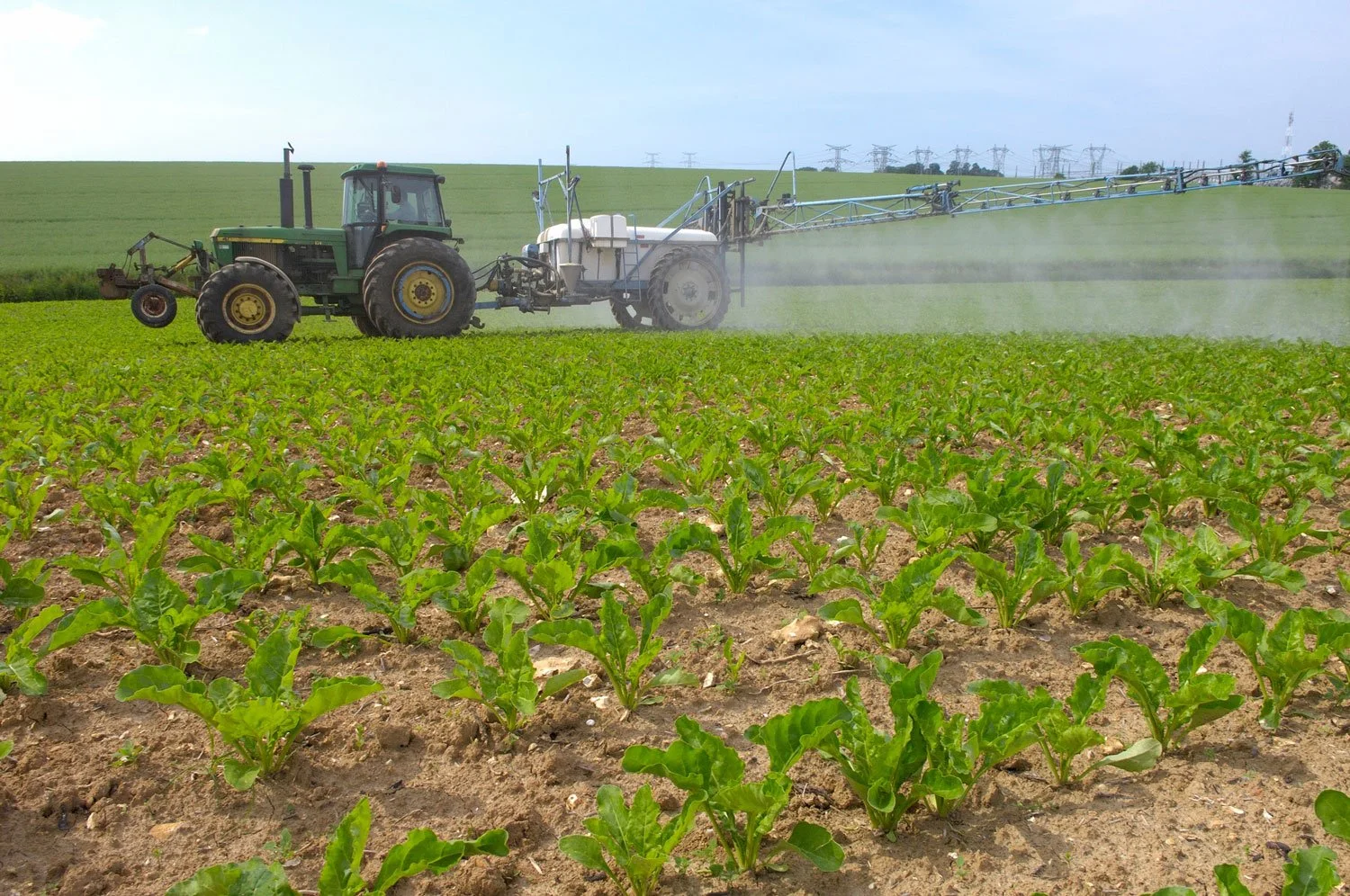
Supporters of the decision argue that consistent federal labeling standards are essential for American agriculture. Glyphosate-based herbicides remain among the most widely used weed-control tools in modern farming. Farmers rely on them to:
Control weeds efficiently
Support no-till and conservation farming practices
Improve crop yields
Help keep food production costs manageable
Industry groups say the ruling reduces legal uncertainty and allows farmers to continue using EPA-approved products with greater confidence.
The Scientific Debate Continues
While the Supreme Court resolved an important legal question, it did not settle the broader scientific debate surrounding glyphosate. The EPA and many international regulatory agencies have concluded that glyphosate is unlikely to cause cancer in humans when used as directed. However, litigation over Roundup has frequently relied on findings from the International Agency for Research on Cancer (IARC), which classified glyphosate as "probably carcinogenic to humans" in 2015. The differing conclusions between regulatory agencies and IARC have fueled years of legal disputes and public debate.
A Turning Point for Roundup Litigation
The Supreme Court's decision marks one of the most significant legal developments in the long-running Roundup litigation. By affirming that federal pesticide labeling requirements supersede conflicting state warning laws, the Court has established a clearer legal framework for future cases involving EPA-approved pesticides.
For Bayer, the ruling could substantially reduce ongoing litigation. For the agricultural industry, it provides greater regulatory certainty. And for future product liability cases, it reinforces the role of federal agencies in setting nationwide labeling standards.
Final Thoughts
The Monsanto Co. v. Durnell decision is likely to influence pesticide litigation for years to come. While supporters see it as a victory for regulatory consistency and scientific oversight, critics argue it may limit legal options for individuals seeking damages under state law. As the legal landscape evolves, the ruling is expected to serve as a defining precedent in the relationship between federal regulation and state product liability claims.